
2022–2025
Foundation
Building the base of sustainable manufacturing
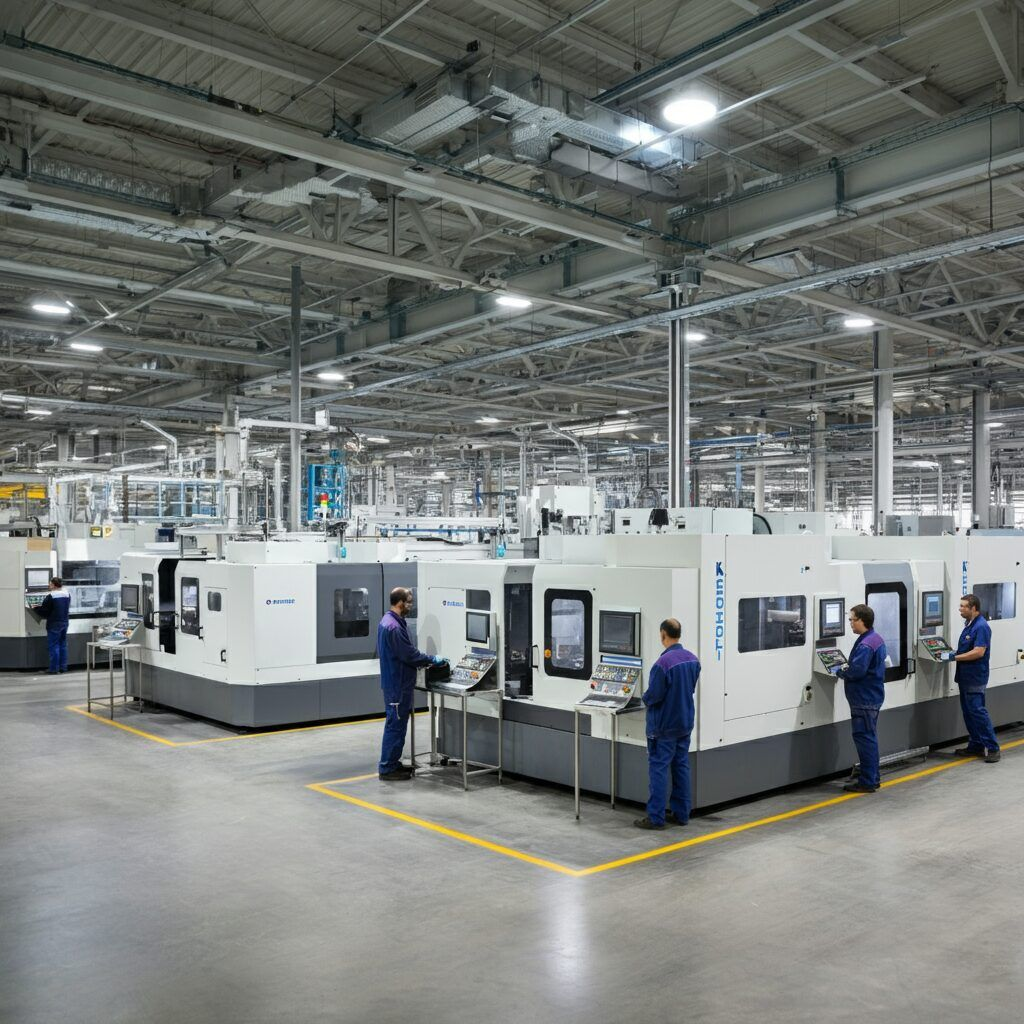
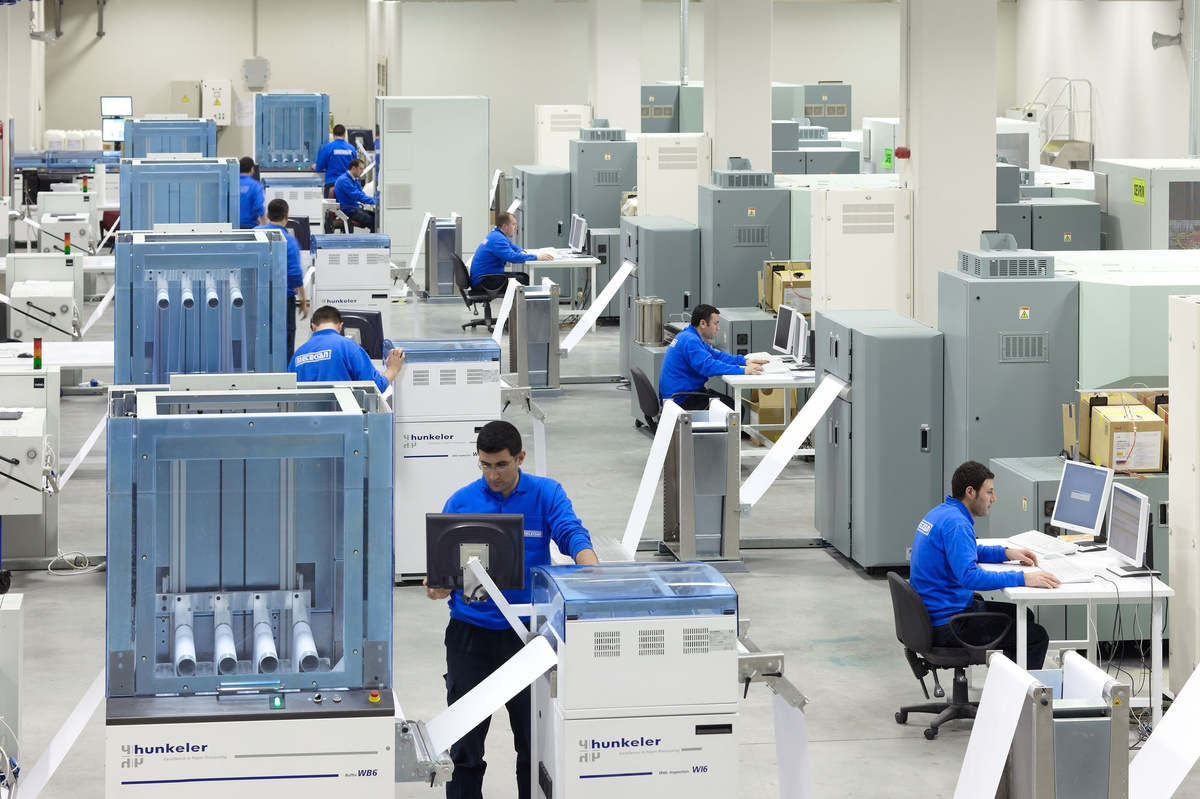
- Automated production & eco-friendly processes
- Water recycling & smart warehouse
- Waste reduction, ≥30% space efficiency
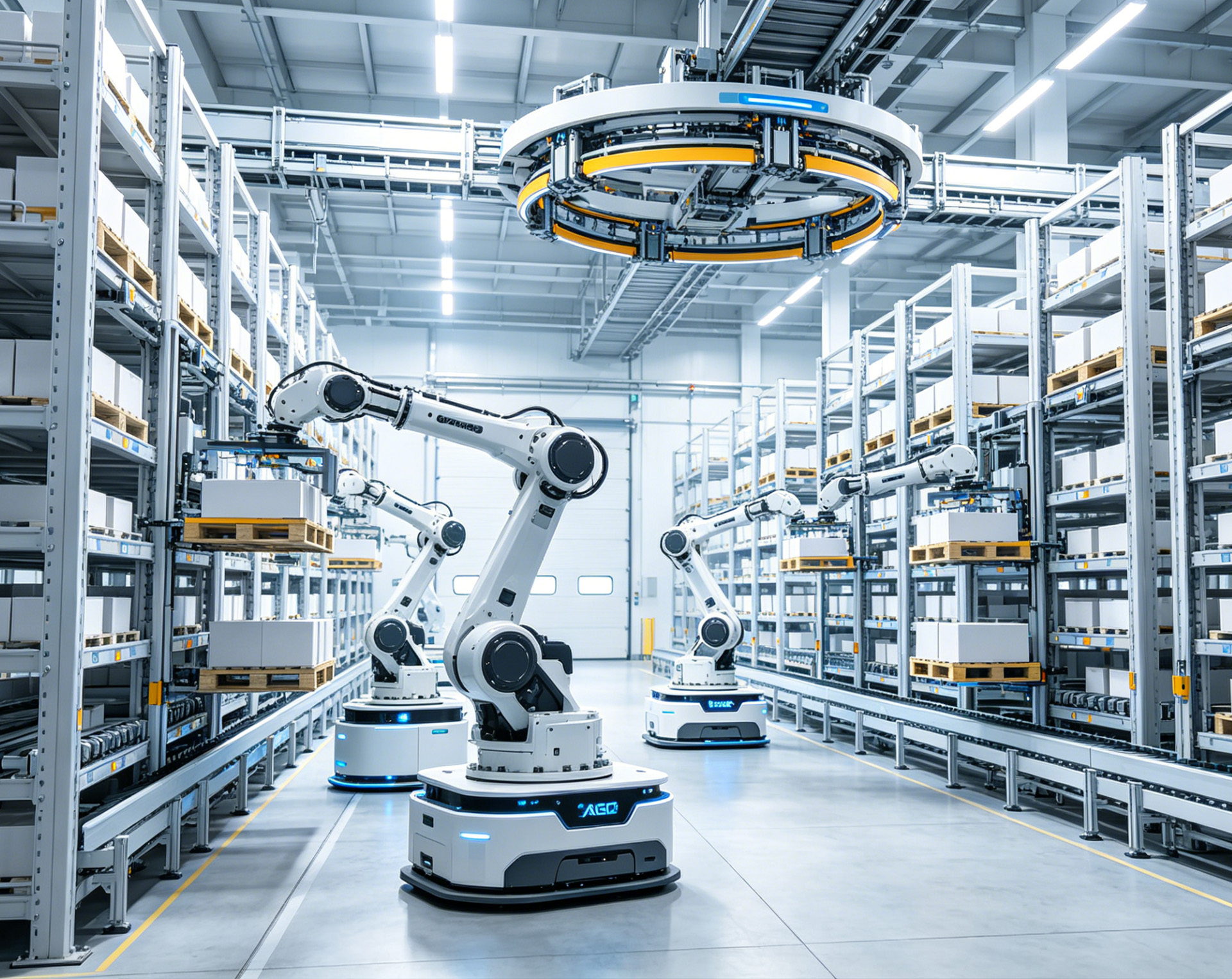
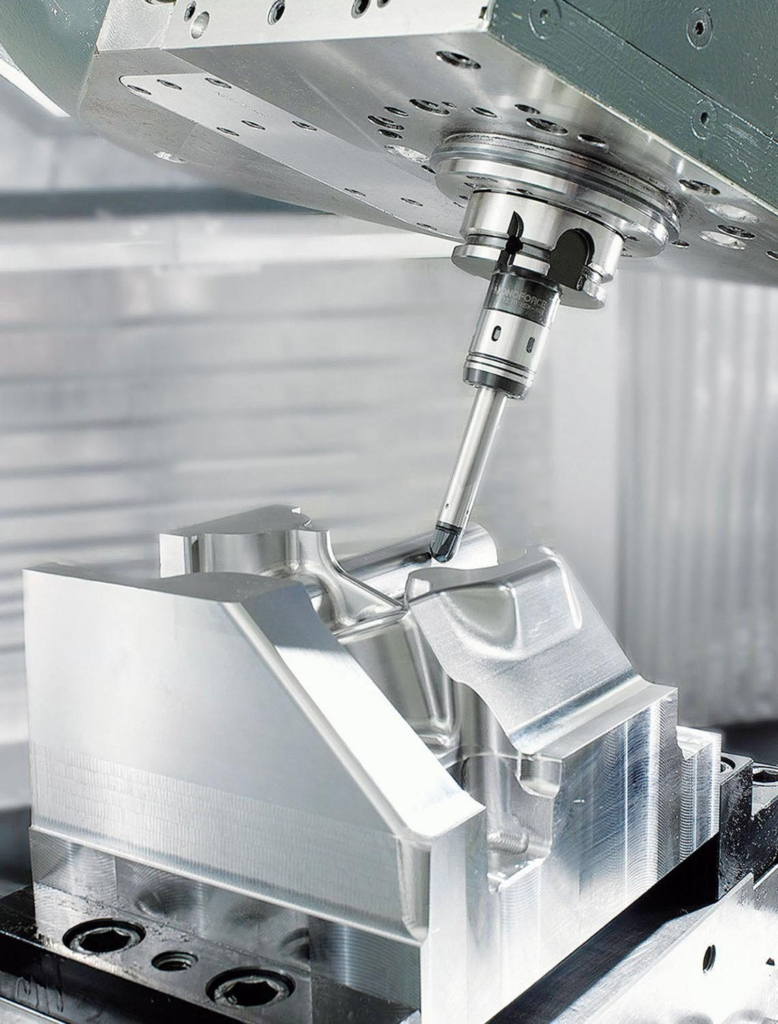
Automated production lowers overall energy consumption by 15%–30% while ensuring stable and efficient operations.
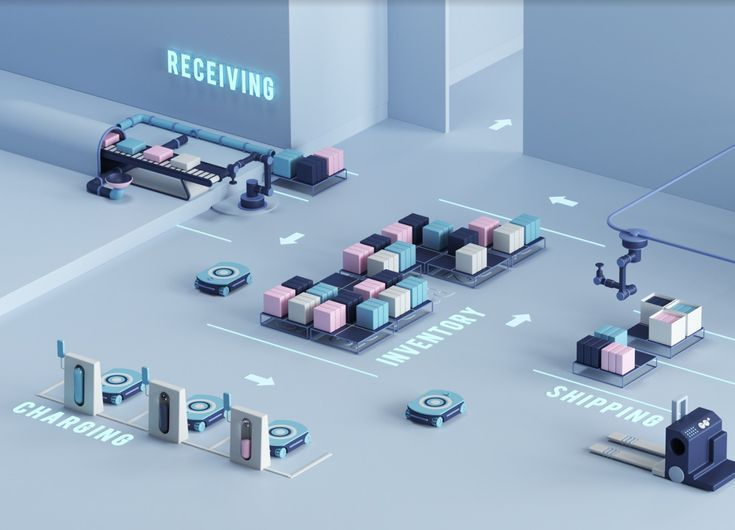
Intelligent inventory management reduces inventory backlog and redundant transportation, increasing warehouse space utilization by ≥30%.
Reusable and biodegradable packaging reduces waste by 40%–60% during transportation.
Reduces VOC emissions by 70%–90% compared to traditional liquid coatings, eliminating solvent-based pollution.
Modular and standardized designs reduce assembly energy consumption and improve transport efficiency by 20%–40%, while enabling easier disassembly and recycling.
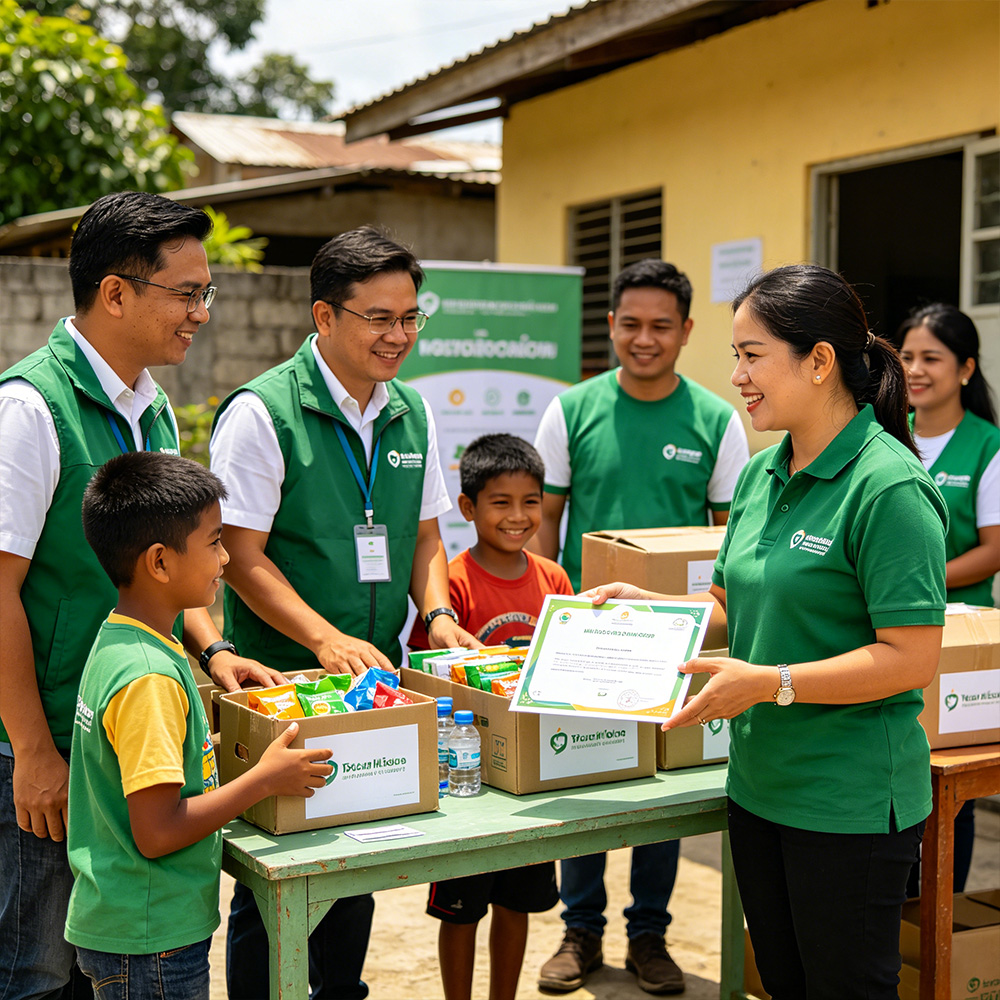
Community Support
We contribute to local communities through charitable activities, partnerships, and initiatives that support education, sustainability, and social development.
Diversity and Inclusion
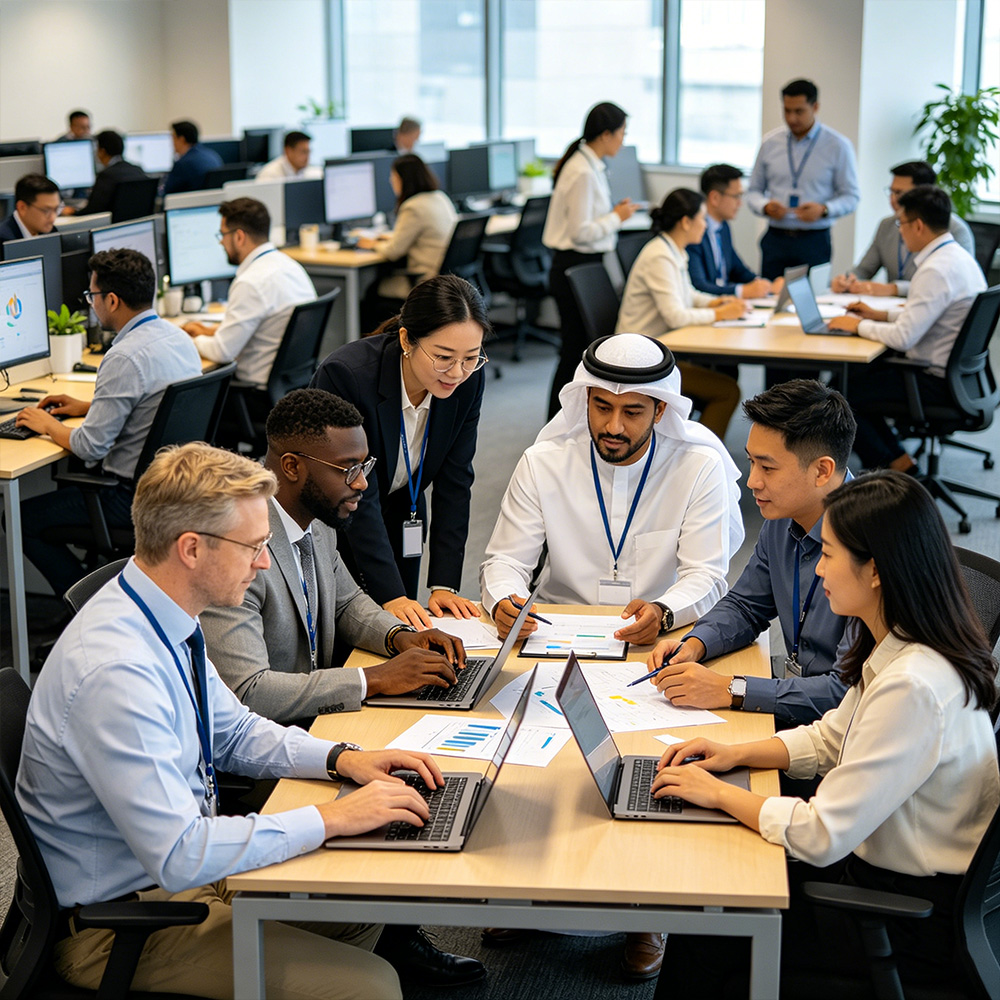
We foster an inclusive workplace by promoting equal opportunities, respecting cultural differences, and building a collaborative environment across diverse teams.
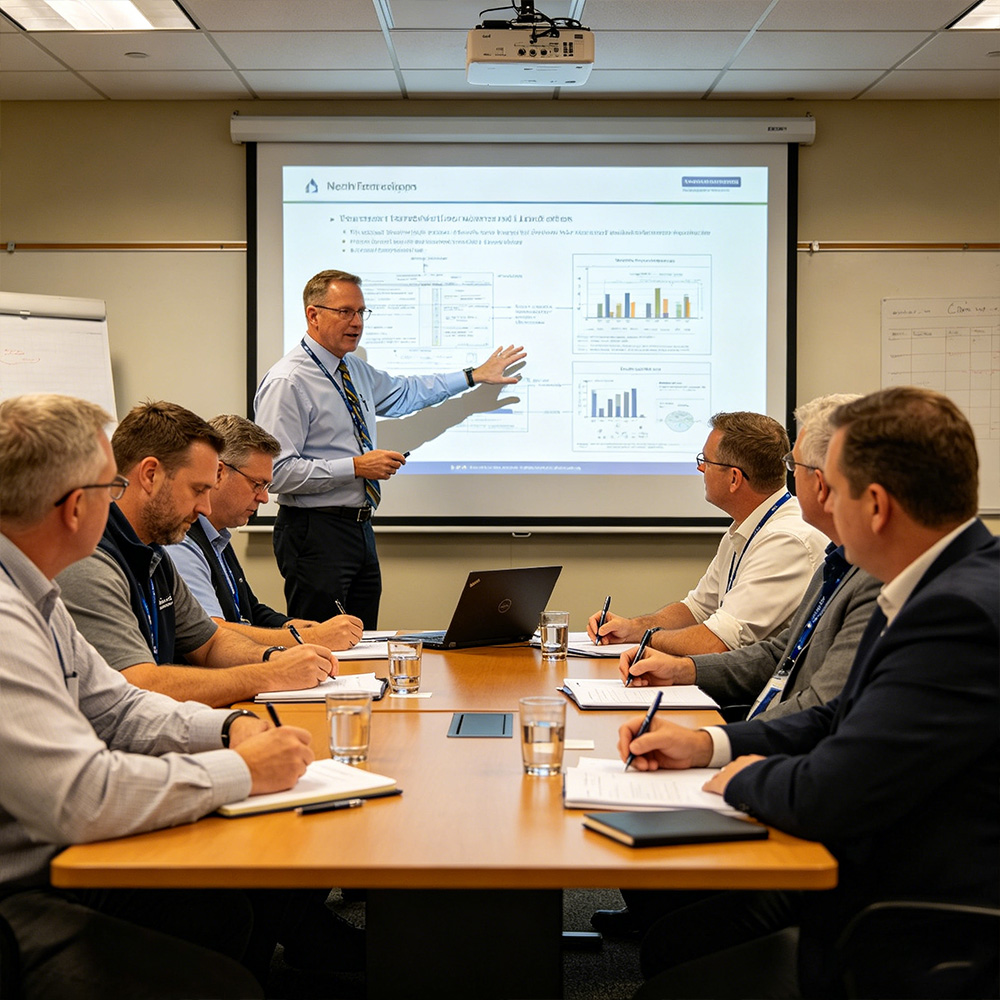
Employee Training
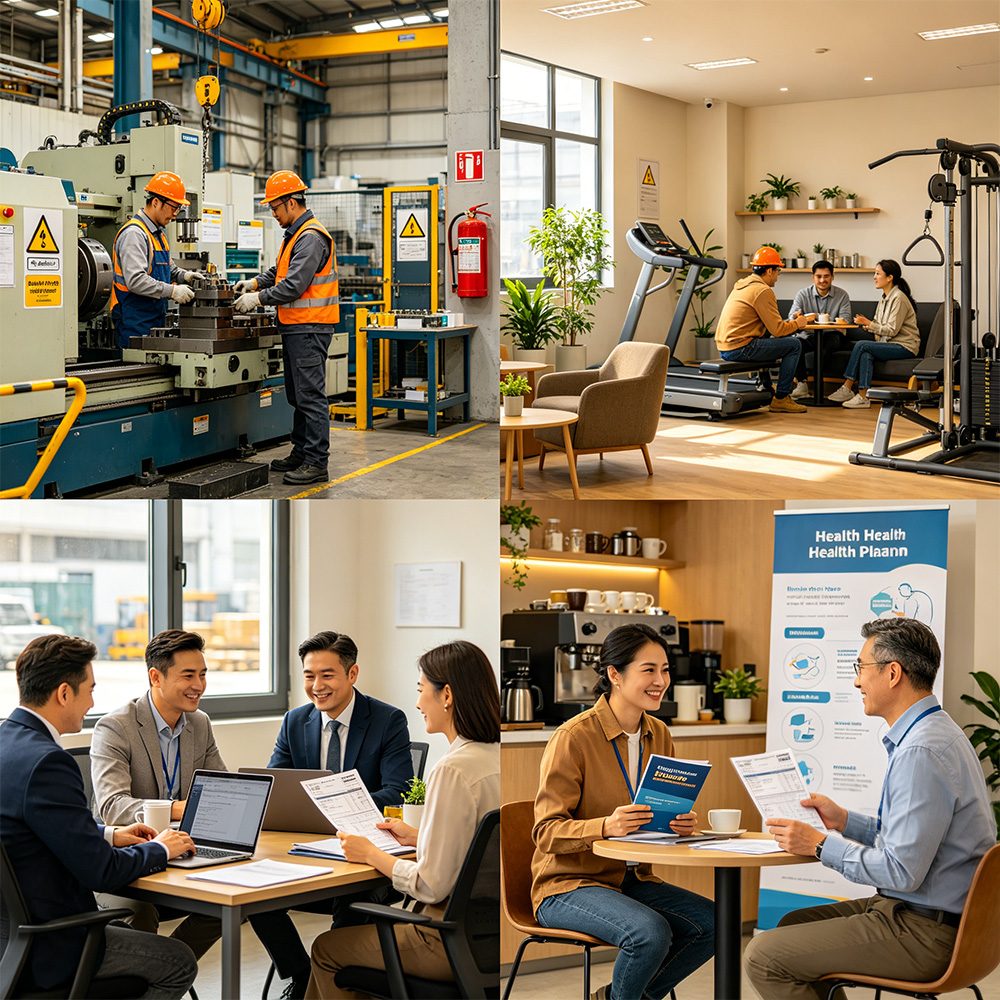
We invest in continuous skill development through technical training, safety education, and leadership programs to enhance employee capabilities and career growth.

Employee Welfare
We ensure safe working conditions, provide fair compensation and benefits, and promote work-life balance through health programs and employee support initiatives.
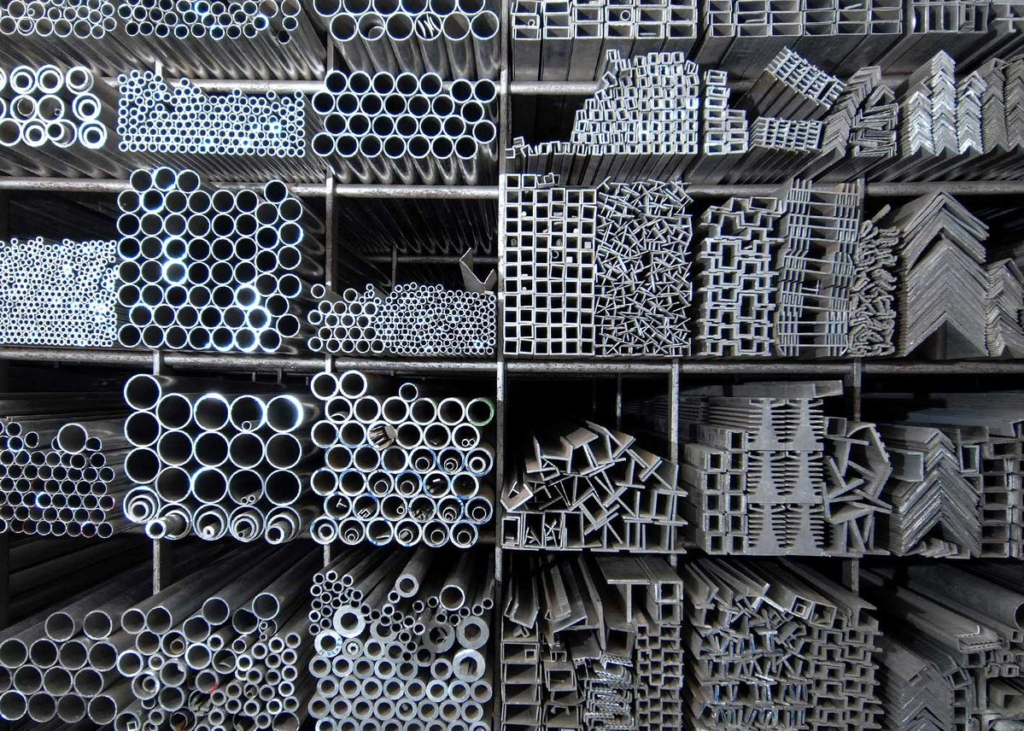
We implement strict supplier evaluation and regular audits to ensure compliance with quality, labor, and sustainability standards across the supply chain.
We enforce a zero-tolerance policy on child labor, requiring all suppliers to adhere to international labor standards and ethical employment practices.
We work with suppliers who meet environmental regulations, encouraging responsible material sourcing, waste reduction, and sustainable production processes.
We uphold transparent and fair procurement practices, preventing corruption, ensuring traceability, and building long-term partnerships based on integrity and accountability.
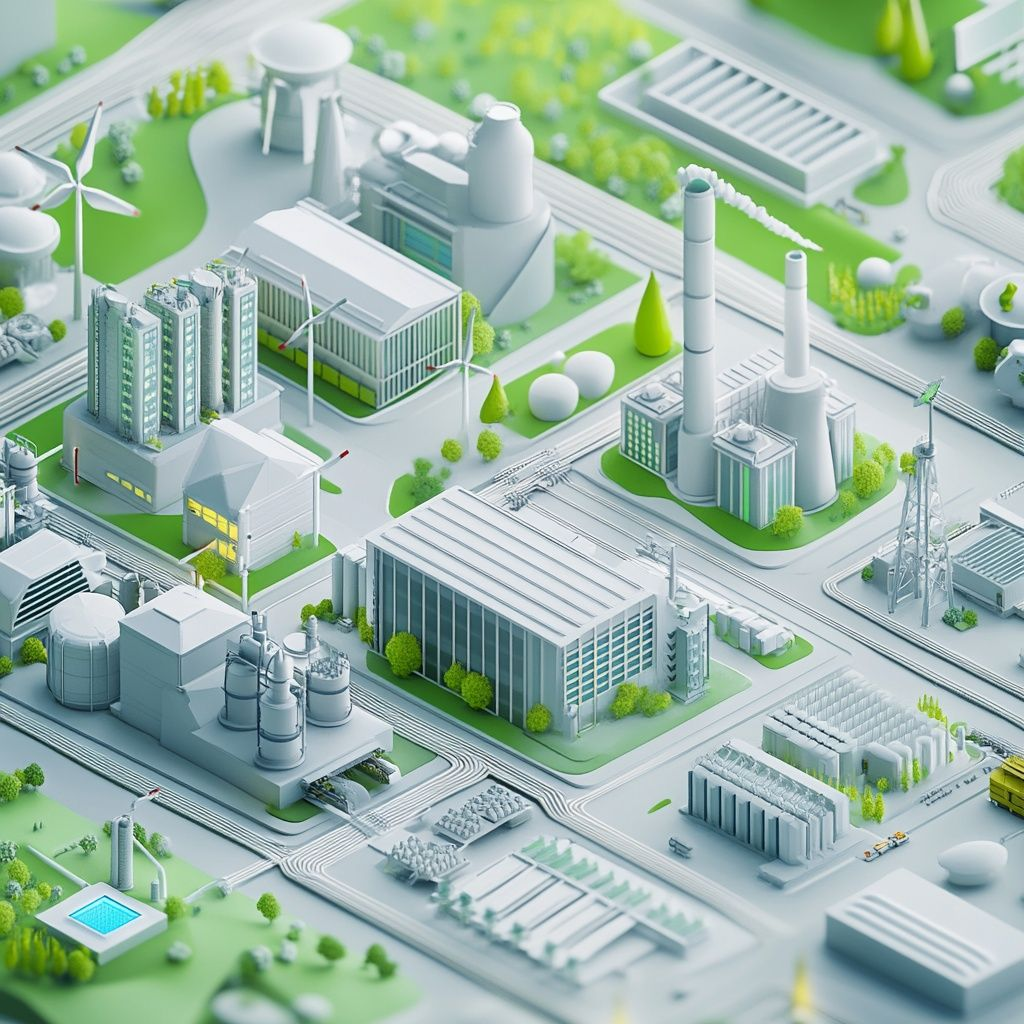
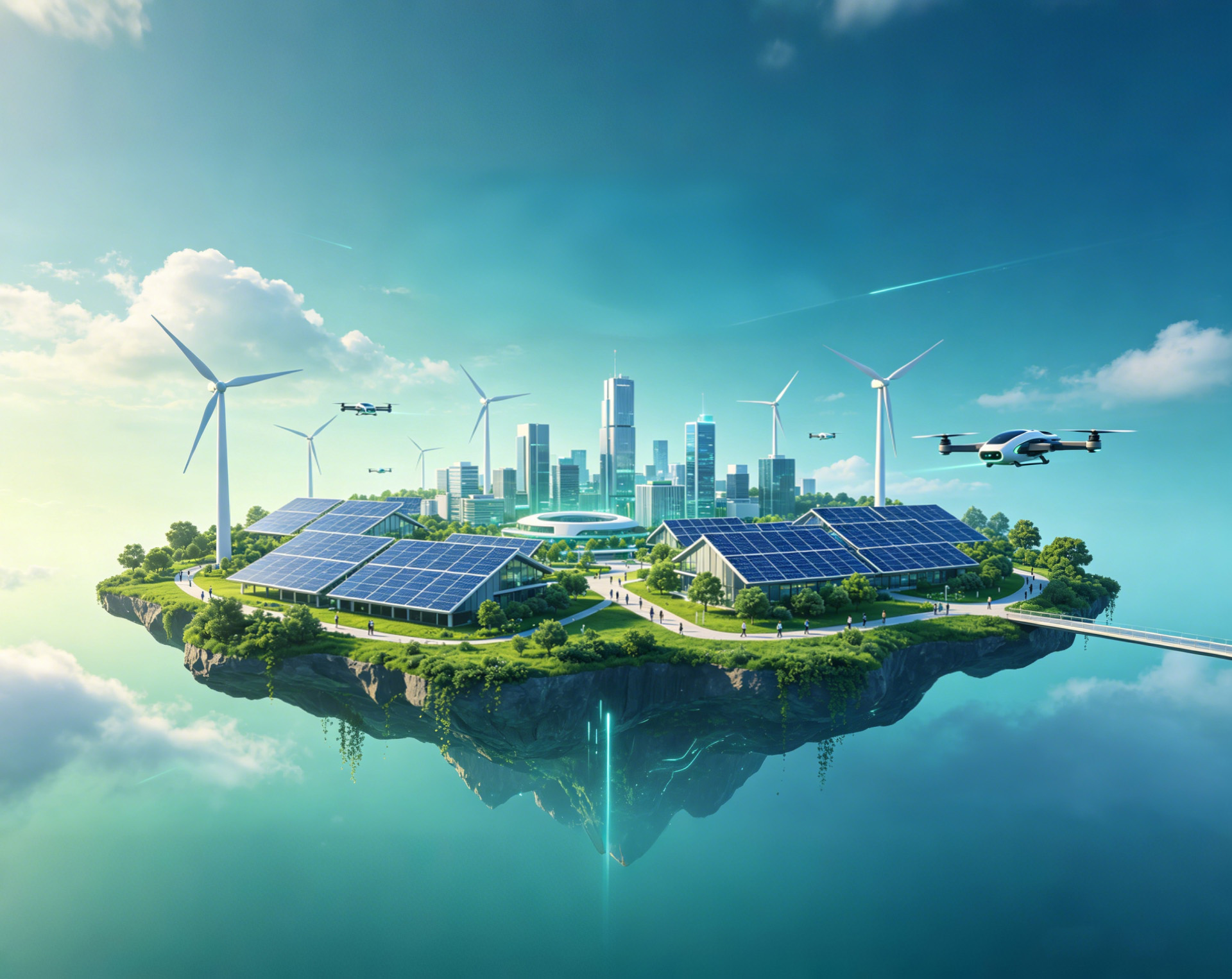
We coordinate low-carbon production, clean processing and energy conservation. Continuously optimize the whole green manufacturing process, achieve coordinated development of production benefits and ecological protection.
Building the base of sustainable manufacturing

Improving efficiency and resource utilization
Connecting systems for better control
Driving automation and data-based operations
Transitioning to circular manufacturing